

 Subscribe
Take Me to the Water
Inside the most deliberate period of Black economic disenfranchisement in recent memory.

One of the eldest hymnals, native to the Black American church, symbolizes Black people's otherworldly connection to bodies of water. Take me to the water. Take me to the water. Take me to the water. To be baptized.
At the water, rivers, lakes, oceans or seas, Black people feel safe. At the water is where burdens are laid down. For Black people in America, the water also carries memory.
In Nina Simone’s interpretation of the hymnal, recorded on her High Priestess of Soul album in 1967, she closes the song, roaring in her signature, ab-lib riff.
“I’m going back home,” Simone cries.
“I tell you, I'm going back home now.”
"Can't stay here no longer," she said.
…to be baptized.”
The water is a return to home, where there’s rest in body and rest assured. Where there’s remembering who you are.
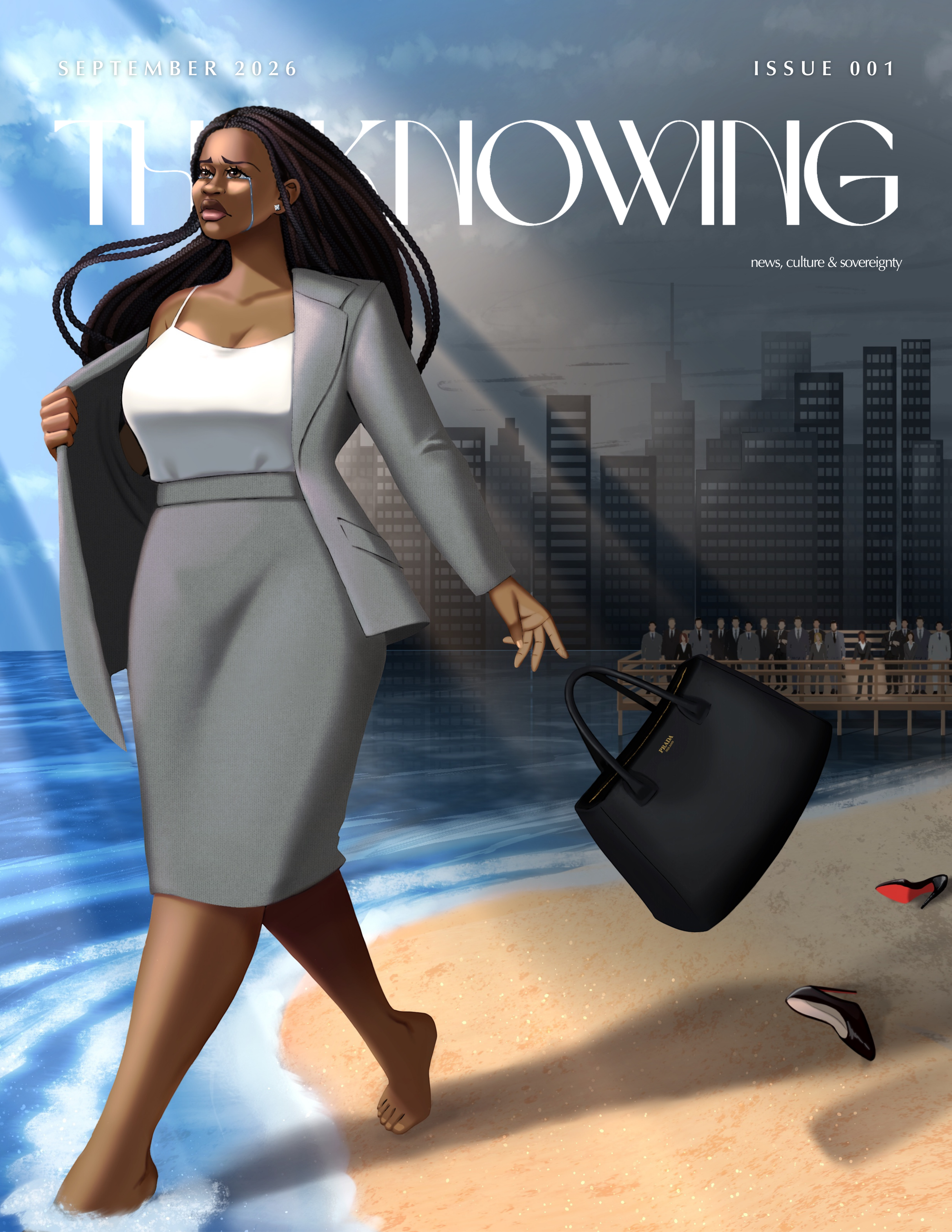
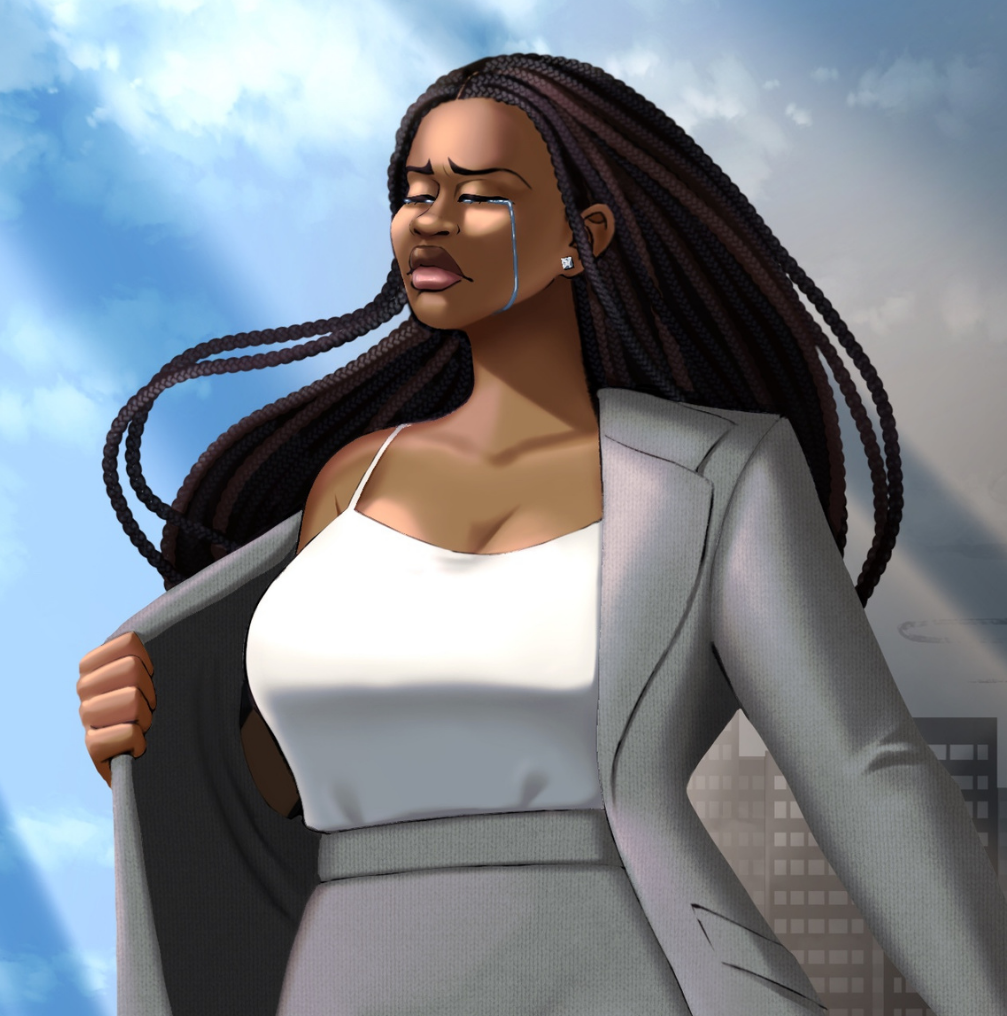
“Of course we know how to walk on water, of course we know how to fly…” Toni Cade Bambara, the pioneering author and activist, recalled her Grandma Dorothy’s words in her essay “The Education of a Storyteller”, published in Deep Sightings and Rescue Missions: Fiction, Essays, and Conversations, 1996, edited by the late literary giant Toni Morrison.
In Bambara's reflection of Grandma Dorothy, she evokes a kind of intergenerational, ancestral wisdom and know-how Black women have been leaning on through every era of American tears and tyranny—the transatlantic slave trade to Jim Crow.
Grandma Dorothy’s wisdom is, perhaps, more timely now than ever, in what is inarguably the single most volatile climate for Black women in recent memory.
Never at any point in history has a single group of women uno-reversed themselves out of public, habitual, and varied mythology like Black women. Slave. Mammy. Jezebel. Welfare Mom. Ghetto, project girl. And on to stand among America’s most educated and entrepreneurial.
The recipients of the Civil Rights Act and Voting Rights Act, Black women Gen Xers joined with Black women millennials, doused in a mind is a terrible thing to waste ethos, juxtaposed with ’90s sitcom aspiration—Living Single to the power suiting of Martin’s Pam and Gina. Be clear: Hollywood was mirroring what Black women were doing off-screen.
Education, like water, is a foundational value system for Black diasporic folk. Daughters who were raised, and seldom loved like sons, Black women always knew the labor force was a battlefield. And still, she showed up first and left last. Being twice as good was not a mantra. It’s law.
At the sunrise of the 2020s, the climate swelled with Black women firsts.
Kamala Harris became the nation's Vice President in 2020, and scores of corporations pledged commitments to empower Black women's generational wealth, including Goldman Sach's "One Million Black Woman", with a 10 year commitment of $1 billion dollars in investment capital, and another $100 million in philanthropic dollars. Target, allocated entire shelves to Black women-owned, product-based brands, and Sephora followed.
These efforts weren't merely post-George Floyd, "woke", bandwagoning. Putting dollars behind America's most consistent and loyal labor force, was smart business.
In the past year, however, just as America marked its 250th year, we’ve witnessed the undoing of over 60 years of hard-won racial and gender progress since the Civil Rights Act and the Equal Employment Opportunity Act. And even more menacing, a marked attempt at the stoppage of legacy.
The truth is: Black women’s job loss is not a macroeconomic issue. This is deliberate and institutional economic disenfranchisement.
“This period is distinctive because the decline occurred without a comparable, economy-wide collapse.”
The myth of the 300,000
Black women’s employment-to-population ratio fell 1.4 percentage points in 2025—one of the sharpest one-year declines in the past 25 years, according to Valerie Wilson, Director of the Program on Race, Ethnicity and the Economy at the Economic Policy Institute.
Though Black women’s job loss was smaller during the Great Recession in the late 2000s and during COVID-19, Dr. Jamein Cunningham, Associate Professor in the Law School and LBJ School of Public Affairs at the University of Texas at Austin, states that what Black women are experiencing now is unprecedented.
“This period is distinctive because the decline occurred without a comparable economy-wide collapse, and was concentrated among college-educated and public-sector Black women, groups historically associated with relatively stable employment,” Cunningham argues.
Widespread coverage has either overwhelmingly painted a gloss finish over the state of professionally displaced Black women or blatantly dismissed systemic factors contributing to Black women’s prolonged job loss.
Coverage of Black women pushed out of corporate roles over-indexes on the pivot to entrepreneurship, as if a significant segment of Black women weren’t already starting new companies, and as if the material inequity Black women founders experience when raising capital doesn't exist.
On why women have been leaving the workforce in the past year, a recent report pointed to a study showing that caregiving and the cost of child care are the number-one reason.
Not only are the factors leading to Black women’s job loss underreported, the quantitative data accurately measuring unemployment have yet to be clearly uncovered. In the past year, 300,000 and 600,000 have become two common figures used to quantify Black women ousted from corporate America. But data accurately representing the whole of Black women’s professional and economic interruption may be difficult to quantify.
Professor Cunningham, whose research focuses on urban economics, states aggregate employment data cannot distinguish among prolonged unemployment, leaving the labor force because suitable work is unavailable, underemployment, and movement into lower-paying or less stable work.
The real stories of Black women qualitatively show they aren’t only being pushed out. Black women are having difficulty securing and retaining new roles, with a considerable segment having been out of work well before 2025.
“The Bureau of Labor Statistics (BLS) estimates show the number of employed Black women age 20 and older fell by roughly 300,000 between February and July 2025—not that 600,000 Black women lost jobs,” says Professor Cunningham.
Data on Black women who have taken on work in the gig economy to make ends meet, earning significantly less than routine salaries in corporate roles, can also go unreported. Cunningham says the BLS can therefore understate the broader impact, given these women would still be reported as employed.

“They didn’t just fire us. They fucked with us.”
Four Women
Four women. Four different industries. Redacted. Martine. Redacted. Erica. Real stories, real skin and real survival behind the elusive 300,000.