

 Subscribe
The New Political Guard
The new political class forecasted for victory in the midterms and the next era of power in the House and Senate.

Political analysts aren’t merely calling it a blue wave, they're are calling it a blue tsunami. Even the most turberlent waves couldn’t possibly capture voters across the nation exhaustively frightened by Trump’s MAGA politics, ICE enforcement, attacks on civil-rights protections and the rising cost of everyday life. Indeed it's that bad, even Trump loyalists are flipping. Polling averages show Democrats at an almost nine-point national advantage, and there’s a new generation of leaders steadying the oceanic floor for a possible blue storm.
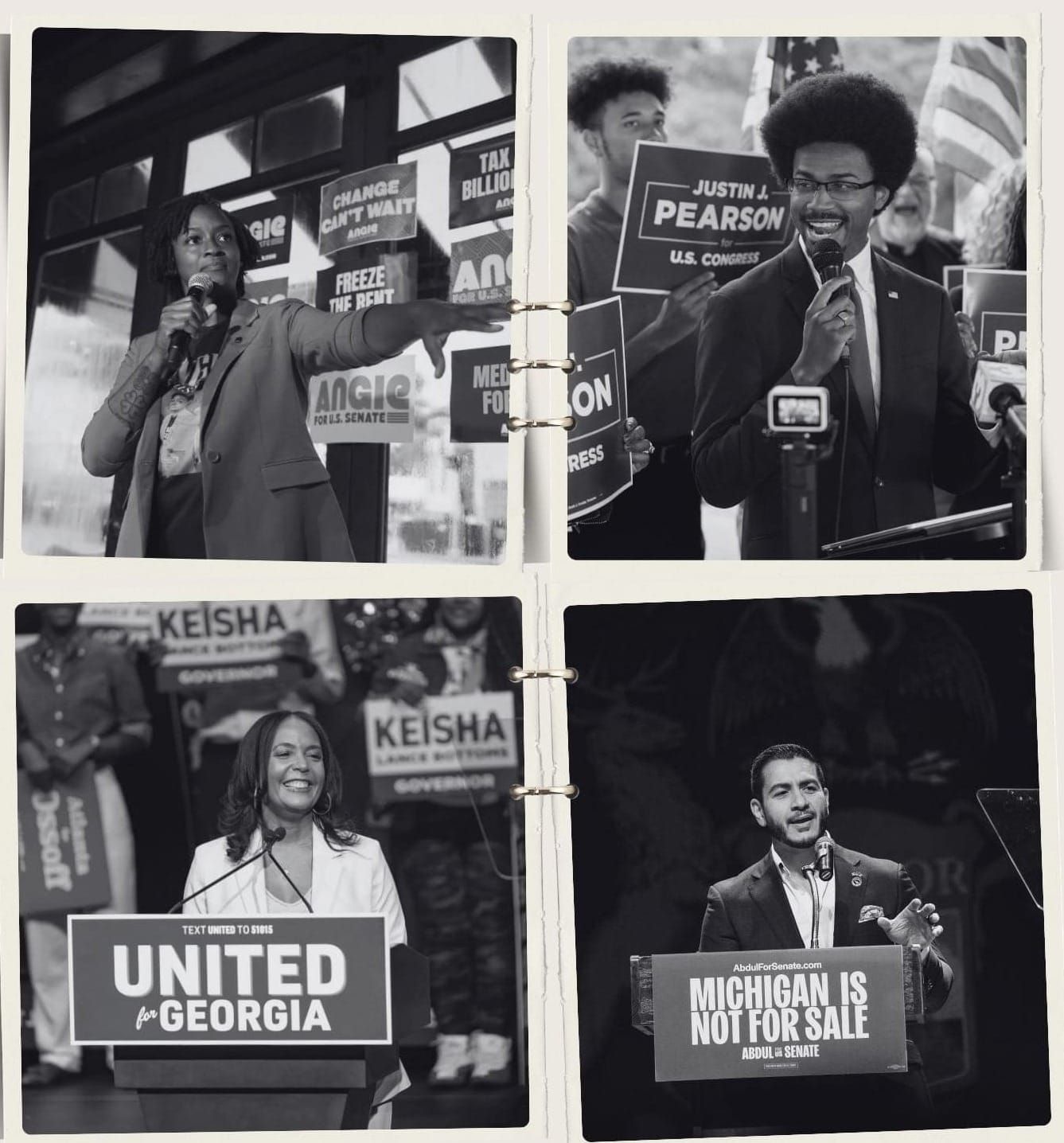
From the hope of Georgia and Nevada electing their first Black governors to candidates popularizing democratic socialism, these seven faces represent the new guard, a rising political class challenging and reshaping power in the House and the Senate. Though not every race shows gains in their direction, win or lose on Election Day, their campaigns are already changing who gets the mic, and what the next era of Democratic leadership might look like.
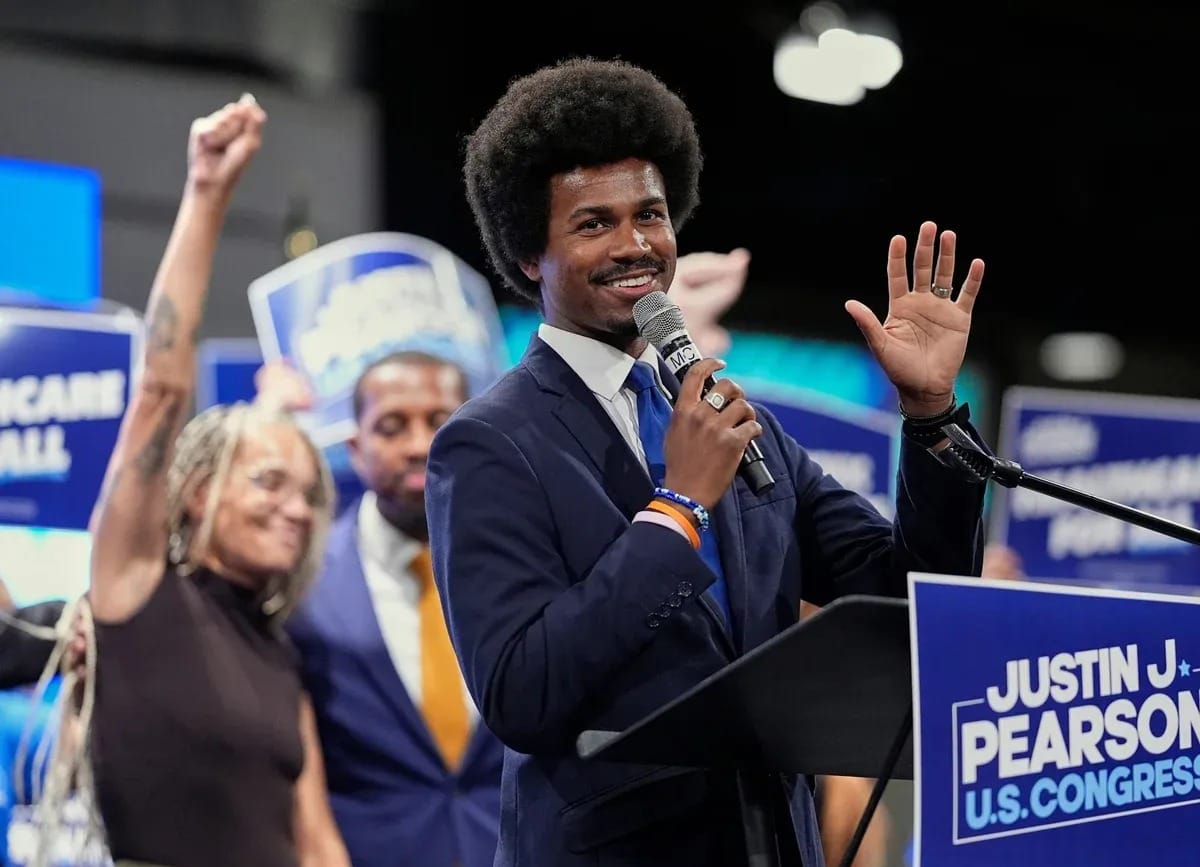
1. Justin J. Pearson, U.S. House Tennessee
At 31, Justin J. Pearson stands to become a distinctly fresh, unapologetic voice to Congress. One of the Tennessee Three, he was expelled by Republican legislators after a gun-control protest and reinstated in 2023. Gun violence became unbearably personal when his brother Timphrance died by suicide in December 2024. Now Pearson is fighting a Republican congressional map that split Memphis’s Black voting power. During May’s Capitol confrontation, troopers detained another brother, KeShaun, and Pearson was seen on camera calling an officer “boy”—an explosively viral exchange that turned a historically harmful slur on its head.
Pearson’s opponent, Trump-backed state Sen. Brent Taylor, supports a different approach to guns, wages and data-center development. Pearson, however, has the endorsement of youth organization Voters of Tomorrow. He also won 65.8 percent of the Democratic primary. But national ratings classify the newly drawn district as Republication-favored. His first victory may be making a diluted electorate impossible to ignore.
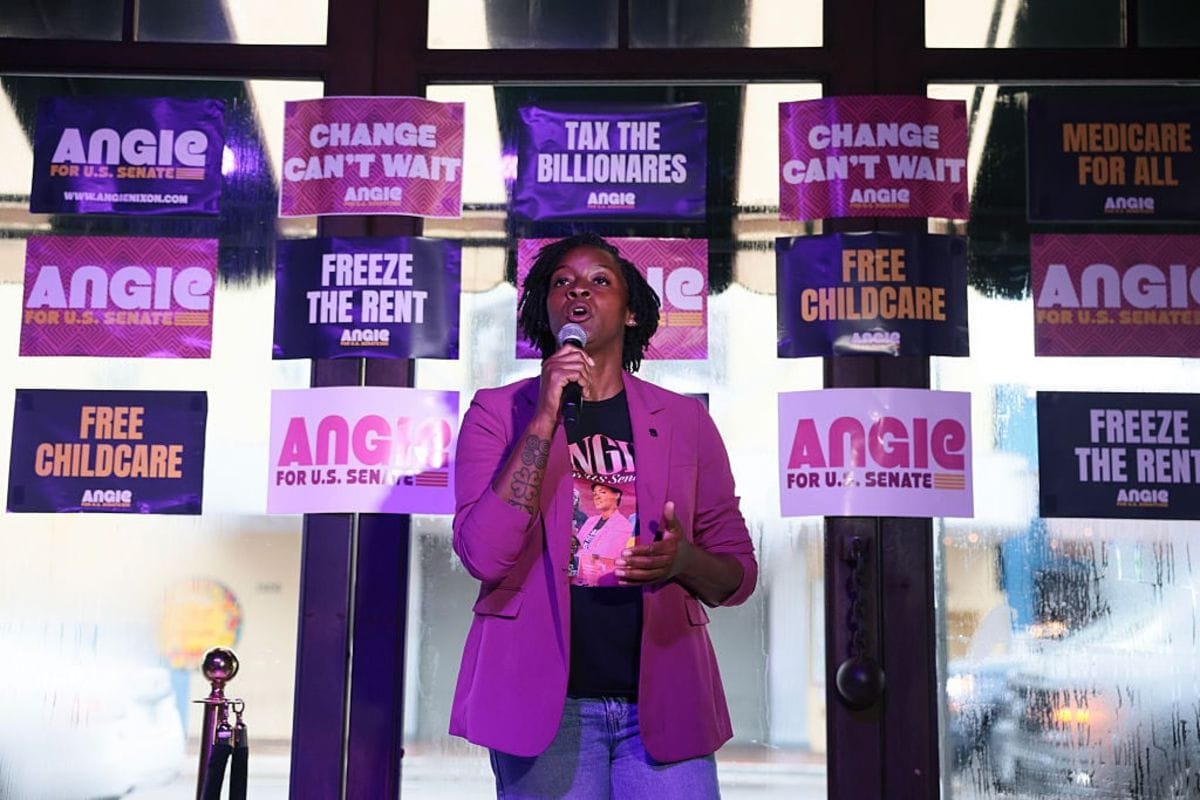
2. Angie Nixon, Florida U.S. Senate
Angie Nixon is leading an one woman political machine in hot pink, from her campaign bus to Skechers that have became an unexpected style signature. The Jacksonville state representative, mother of five and Democratic Socialists of America member toppled a better-funded primary opponent with grassroots organizing around health care, affordable housing and paid leave. But for Nixon, a DSA membership is not a DSA endorsement. The organization has not formally backed her. Voters of Tomorrow however, has endorsed Nixon, whose campaign also attracted racist abuse Black women in public life know too well.
This midterm election, Nixon could become Florida’s first Black woman U.S. senator. But first, she must unseat Republican Ashley Moody, a Trump-aligned incumbent: the latest RealClearPolling average had Moody ahead by 6.3 points.
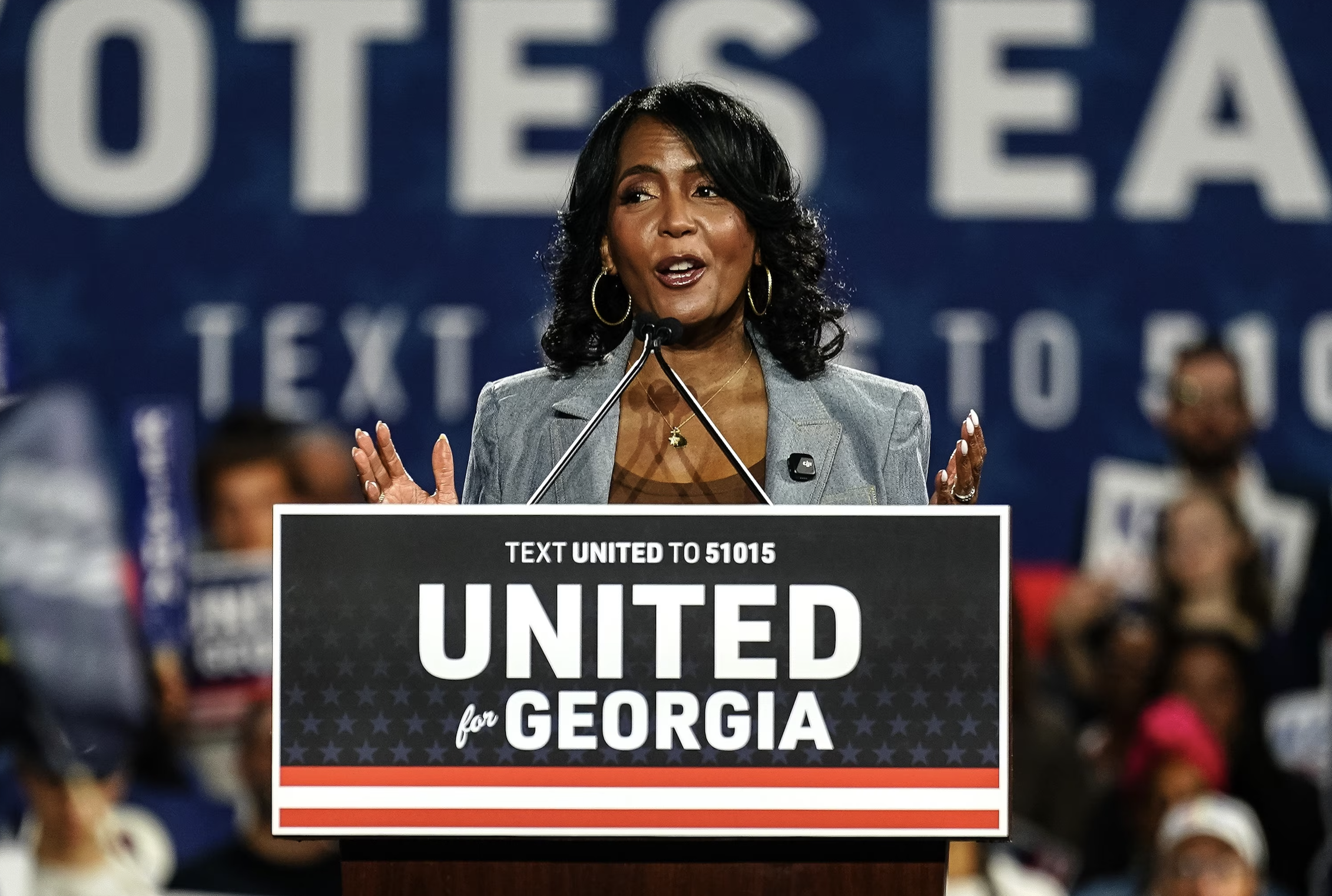
3. Keisha Lance Bottoms, Georgia of Governor
No American state has elected a Black woman governor. But former Atlanta Mayor Keisha Lance Bottoms could change that, with support from Barack Obama and Kamala Harris, alongside Sens. Raphael Warnock and Jon Ossoff. The Georgia native's coalition stretches from Black civic institutions to celebrity circles of Atlanta. Bottoms addressed Savannah’s NAACP banquet, to organized labor and Georgia law-enforcement leaders. She promises Medicaid expansion, relief from grocery taxes and more scrutiny of data-center growth.
Republican businessman Rick Jackson opposes Medicaid expansion, according to the Bottoms campaign, while emphasizing his private-sector credentials. What distinguishes Bottom's campaign from Stacey Abrams’s gubernatorial defeats? Bottoms’s executive record, an entirely different Republican opponent, and a radically different national environment.
A late-October survey put Bottoms at 50 percent and Jackson at 47, within its 3.8-point margin of error.
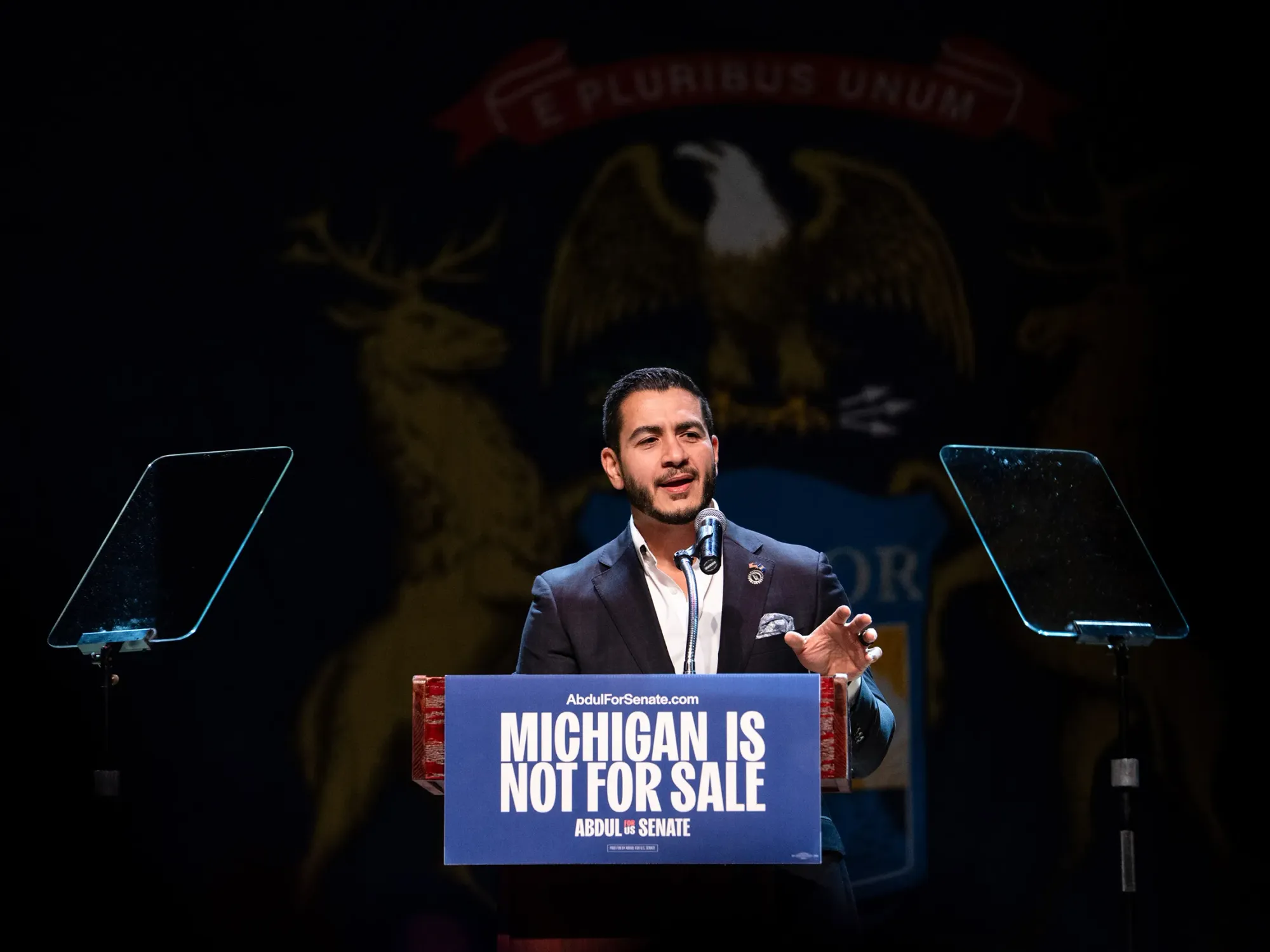
4. Dr. Abdul El-Sayed, Michigan U.S. Senate
A physician and former Detroit health director, Abdul El-Sayed could become the first Muslim elected to the U.S. Senate. He supports Medicare for all, curbing corporate power in housing and ending unconditional American weapons support for Israel. But don't go calling El-Sayed a socialist. He prefers a capitalist. The Senate hopeful has the muscle of Bernie Sanders, Alexandria Ocasio-Cortez, Rashida Tlaib and major labor unions.
His running feud with former Rep. Mike Rogers includes a challenge to play tackle football and a sharp public response to Trump’s anti-Muslim attacks. Those attacks intensified when Trump called him a “jihadist”, rhetoric condemned even by some Arab American Trump supporters. Rogers emphasizes security and economic concerns while disputing El-Sayed’s foreign-policy positions. An October Michigan poll found El-Sayed leading 51–44 percent, a consequential opening in a state Trump carried in 2024.
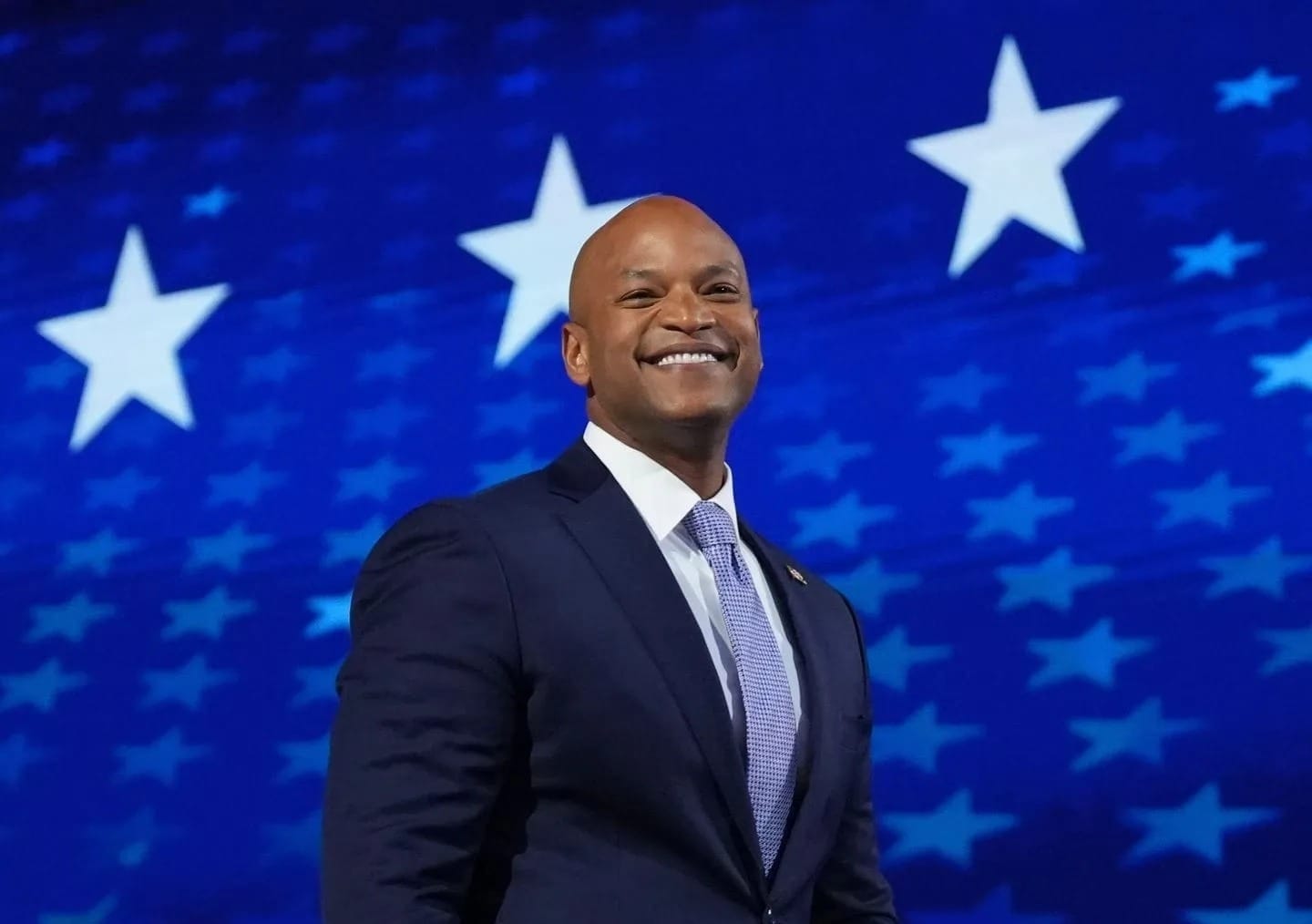
5. Gov. Wes Moore, Reelection as Maryland Governor
Maryland’s first Black governor is already written in history. Now Wes Moore, a man of Alpha Phi Alpha, is seeking another four years, and carrying a national political profile that increasingly raises intrigue of a 2028 presidential campaign.