

 Subscribe
The Black Matriarch: The Real N*gga With Money
Black America is increasingly becoming women-led by income. So why are we still clinging to patriarchy?

More than 50 years ago, Esther Rolle, star of the celebrated 1970s TV series ”Good Times” famously fought to keep the show’s storyline from turning her character, the show’s protagonist Florida Evans, into another Black single mother, insisting a Black father remain visible in the home. Rolle’s politics made sense for the times. Black family dignity was still being defended against a culture eager to pathologize fatherlessness.
Today, TV’s new Black woman protagonist can no longer gloss over the reality of today's Black households with patriarchal virtue. She has to meet the moment, where Black women may be married but she's the income dominant.
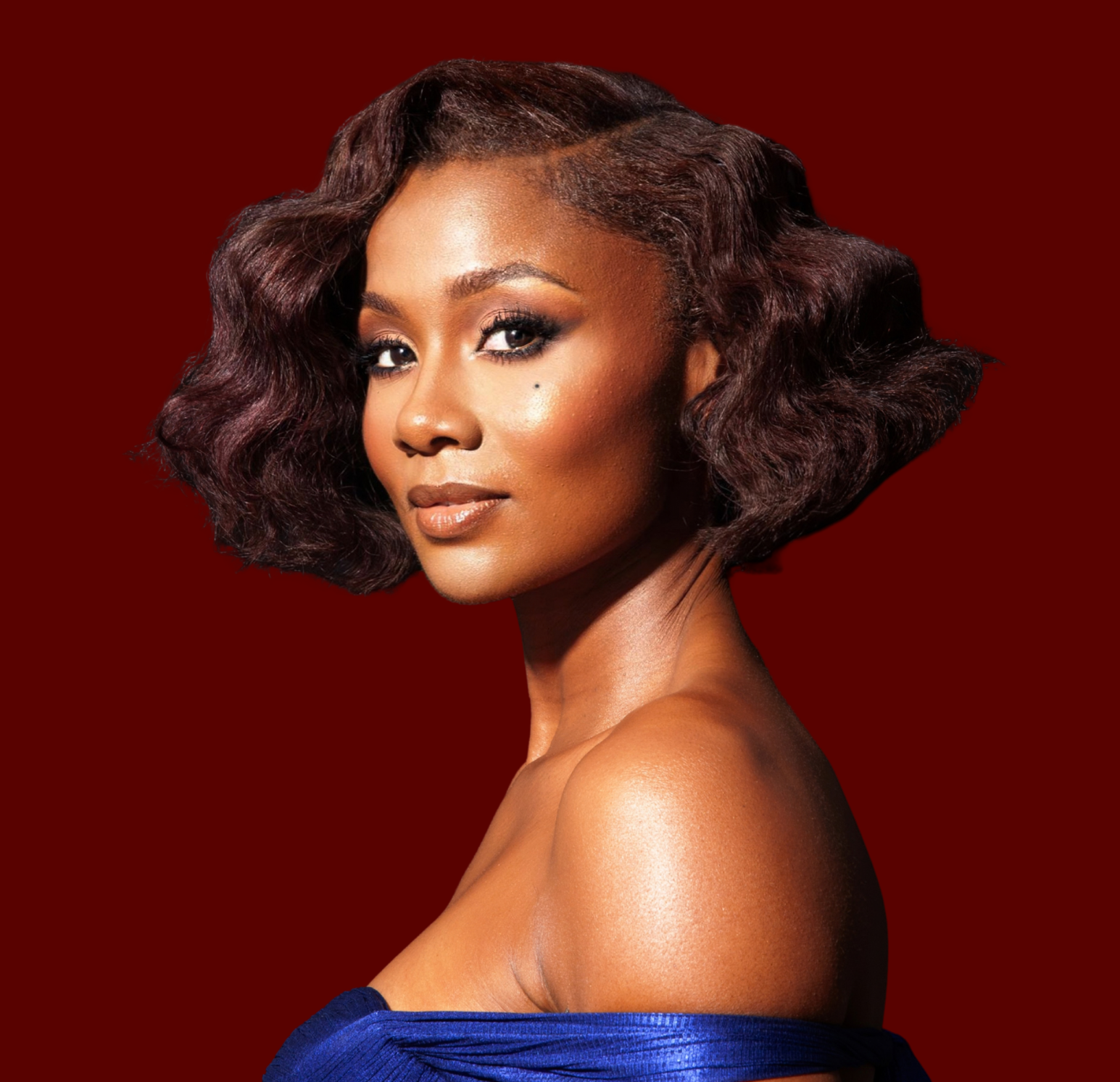
“Reasonable Doubt”, the celebrated Hulu series, is anchored by Jax (Emayatzy Corinealdi), one of Los Angeles’s most formidable criminal defense attorneys, a wife and mother. The series's season four trailer shows Jax becoming the founder of her own law firm. She’s a Black woman whose income, ambition and professional authority is not a fictionalized representation of Black women’s aspirations—it’s an everyday reality.
Black women-led households are not only showing up on the small screens, the scene is scored on hot sixteens, and finds Kash Doll with flowers in her hand.
In a music video teaser for her new single “NWM,” the Detroit emcee plays the chivalrous gentleman. She’s opening the door for a man and presenting him with a bouquet. Then she hits the listener with the paradox facing scores of Black single women in America today: I'm just tryin' to be somebody queen. But these n*ggas wanna be my princess.
Internet sensation and rapper Rick Ross’s ex-partner Tia Kemp, opens the track, firing it up with gravitas: Now, girl, you know we don't f*ck n*ggas for money. We out-hustlin' these n*ggas. We the new n*ggas with money.
“NWM,” released in August, with vocals from Alex Vaughn, is a 2020s hip hop power anthem with a gender swap. Kash Doll doesn’t need a man with money because, as she declares repeatedly: she is the n*gga with money.
The video satirizes a role reversal increasingly all too familiar for single Black women. The record is not only a striking cultural commentary, like Jax in "Reasonable Doubt", it symbolizes an economic reality.
"55 percent of Black women in marriages are either breadwinners or have earnings parity to their spouses, with 24% of Black married women earning more than 60 percent of household income."
Black women rappers have been scoring Black women’s sovereignty for generations. Salt-N-Pepa demanded independence. Lil’ Kim made sexual agency transactional on her own terms. And Trina turned material girl expectation into sport.
But hip hop’s matrilineal legacy, panning City Girls’ “period”, Megan Thee Stallion’s Hot Girl ethos to Kash Doll’s “NWM” hits different because it’s actively narrating a generation of Black women whose financial autonomy is not merely a lyrical punchline.
Black women have multiple degrees. Businesses. Homes. Retirement accounts. Travel and aesthetic maintenance budgets. And most prefer men who can meet them exactly where they are.
Public discourse has been telling Black women their standards are too high. But recent income trends show her standards aren’t high enough.
Economist Dr. Jamein Cunningham, an associate professor at the University of Texas at Austin’s School of Law and LBJ School of Public Affairs, analyzed five decades of Current Population Survey data for The Knowing.
His findings challenge the idea that Black women breadwinners suddenly arrived with the podcast era. Cunningham’s insights show Black women serving as economic anchors of Black households is nothing new, and date back as early as the 1940s.